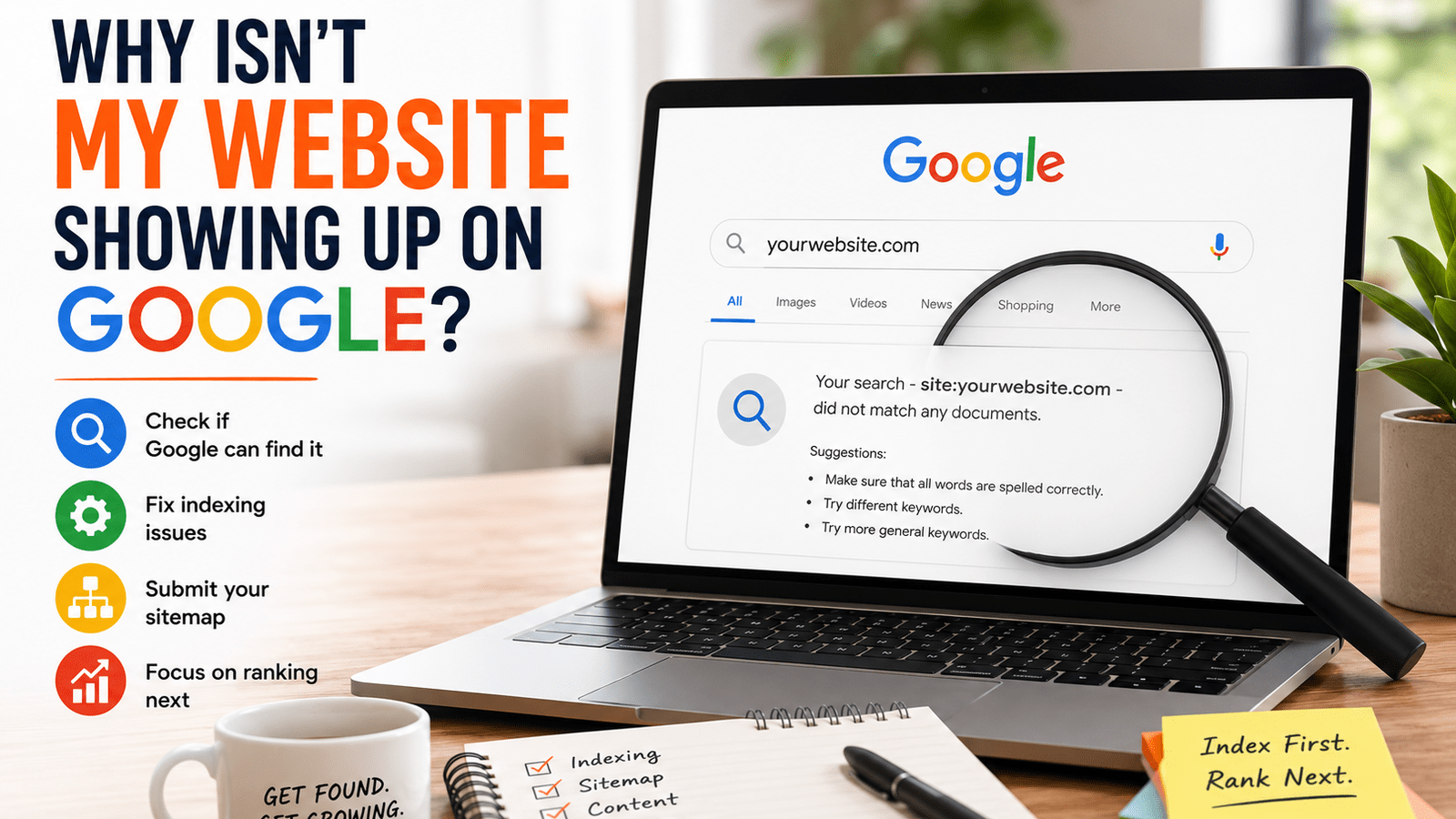
Why Isn’t My Website Showing Up on Google?
Your website is live, but you can’t find it on Google. Before worrying about SEO rankings, check whether Google has actually indexed your pages. Here are a few simple ways to find out and what to check if it hasn’t.
Read More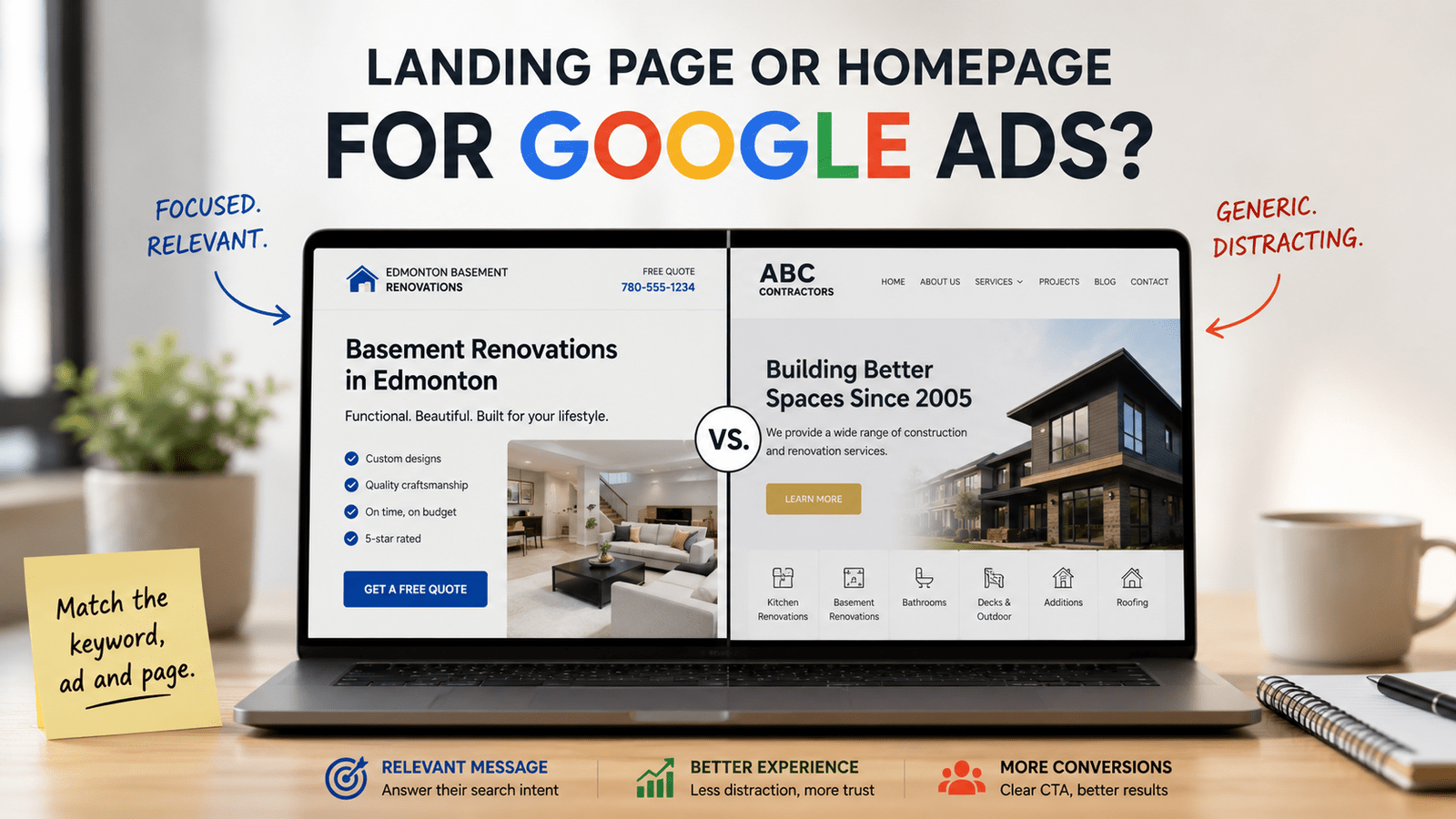
Do You Need a Landing Page for Google Ads?
Do Google Ads need a dedicated landing page? Not always. The better question is whether the page matches what someone searched for and what your ad promised. If visitors have to hunt for the service they clicked your ad to find, you may need a better destination.
Read More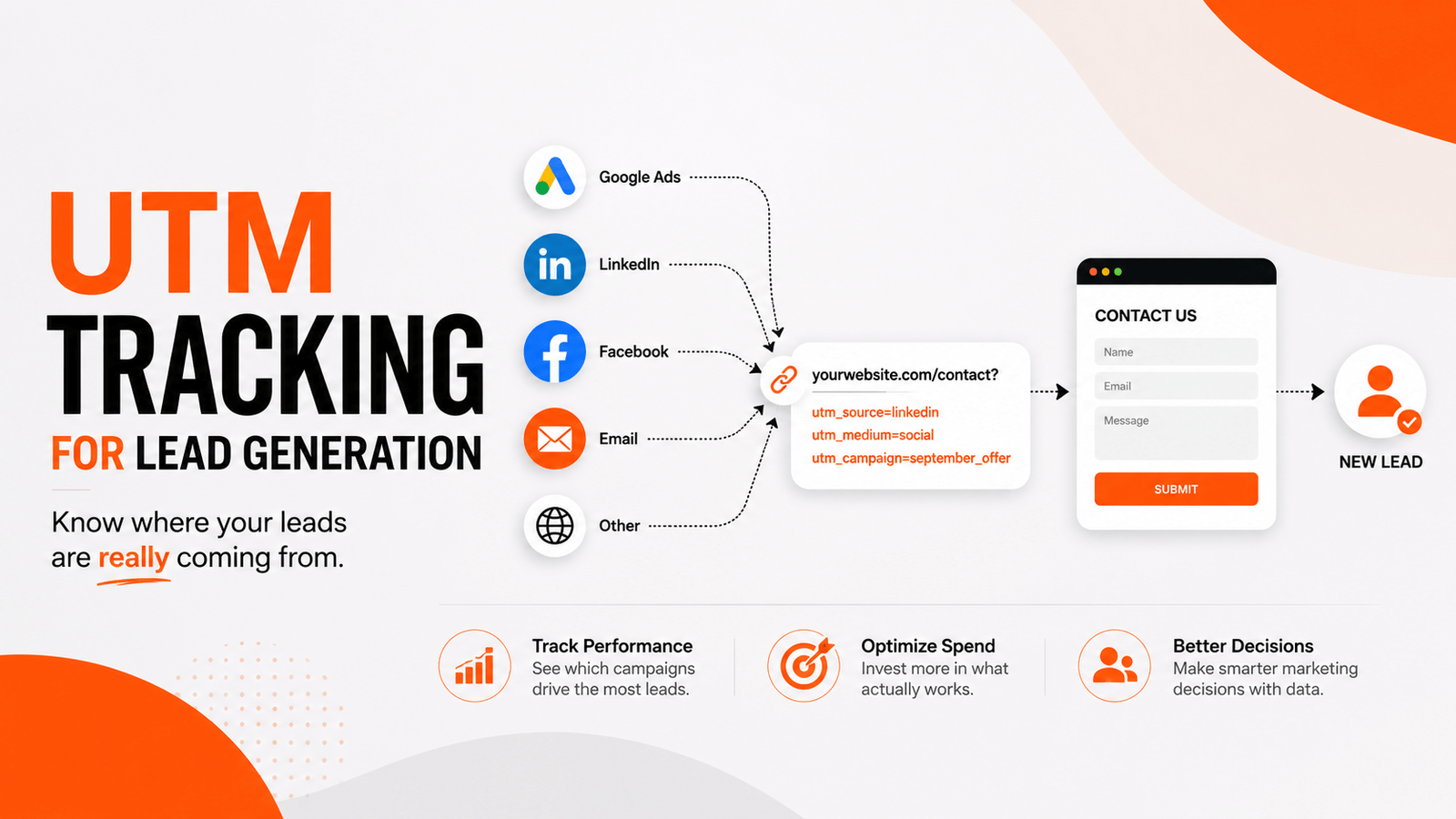
How to Use UTMs to Track Leads
Someone filled out your contact form. Great. But did they come from Google, LinkedIn, an email or somewhere else? UTM parameters can help you answer that question. Here’s a beginner-friendly explanation of what UTMs are and how they can help track where your leads come from.
Read More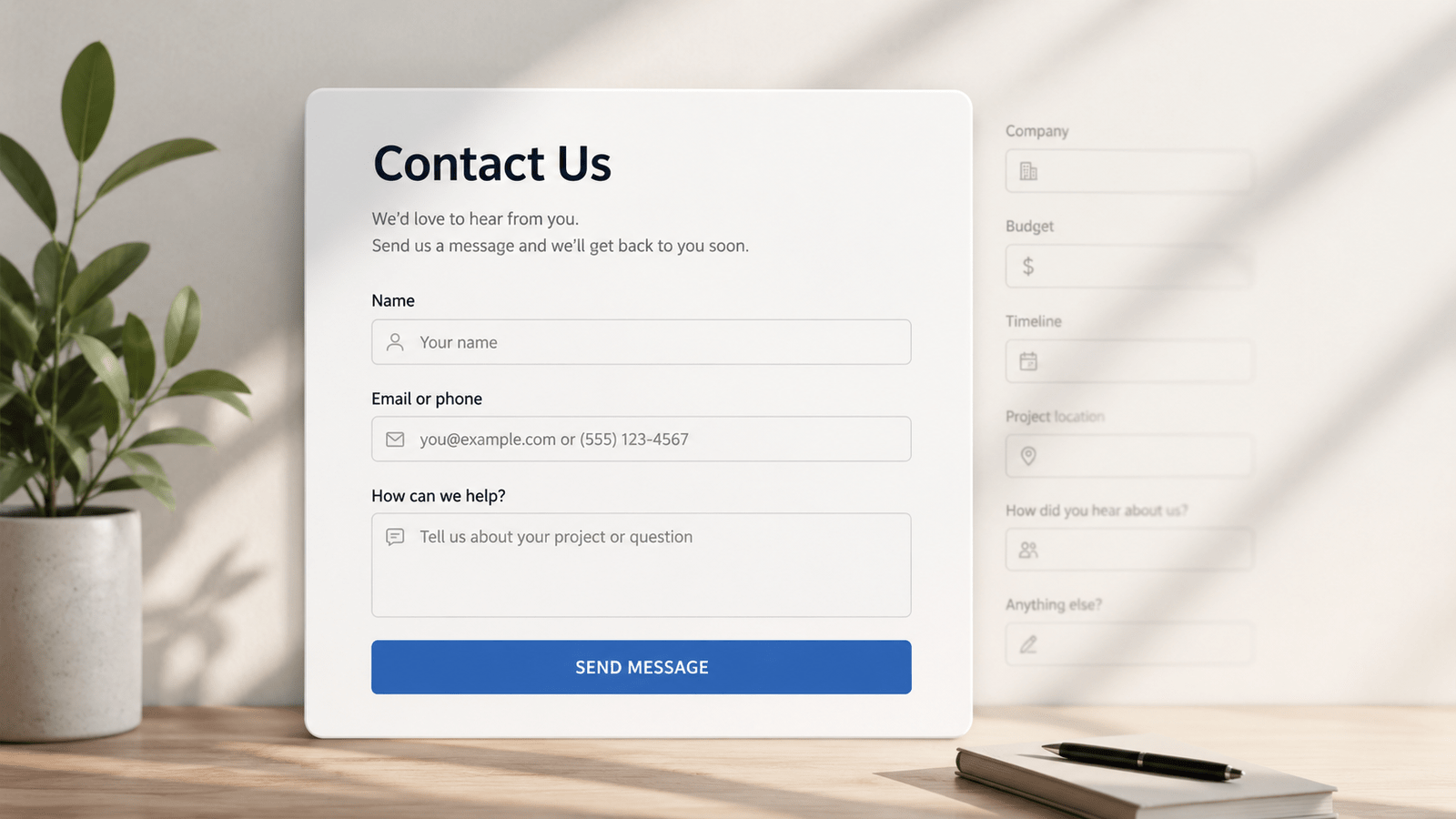
What Should You Put on a Contact Form?
How many fields should your contact form have? Probably fewer than you think. Ask visitors only for information you actually need. Then use hidden fields and UTMs to capture useful marketing information behind the scenes without making the form longer.
Read More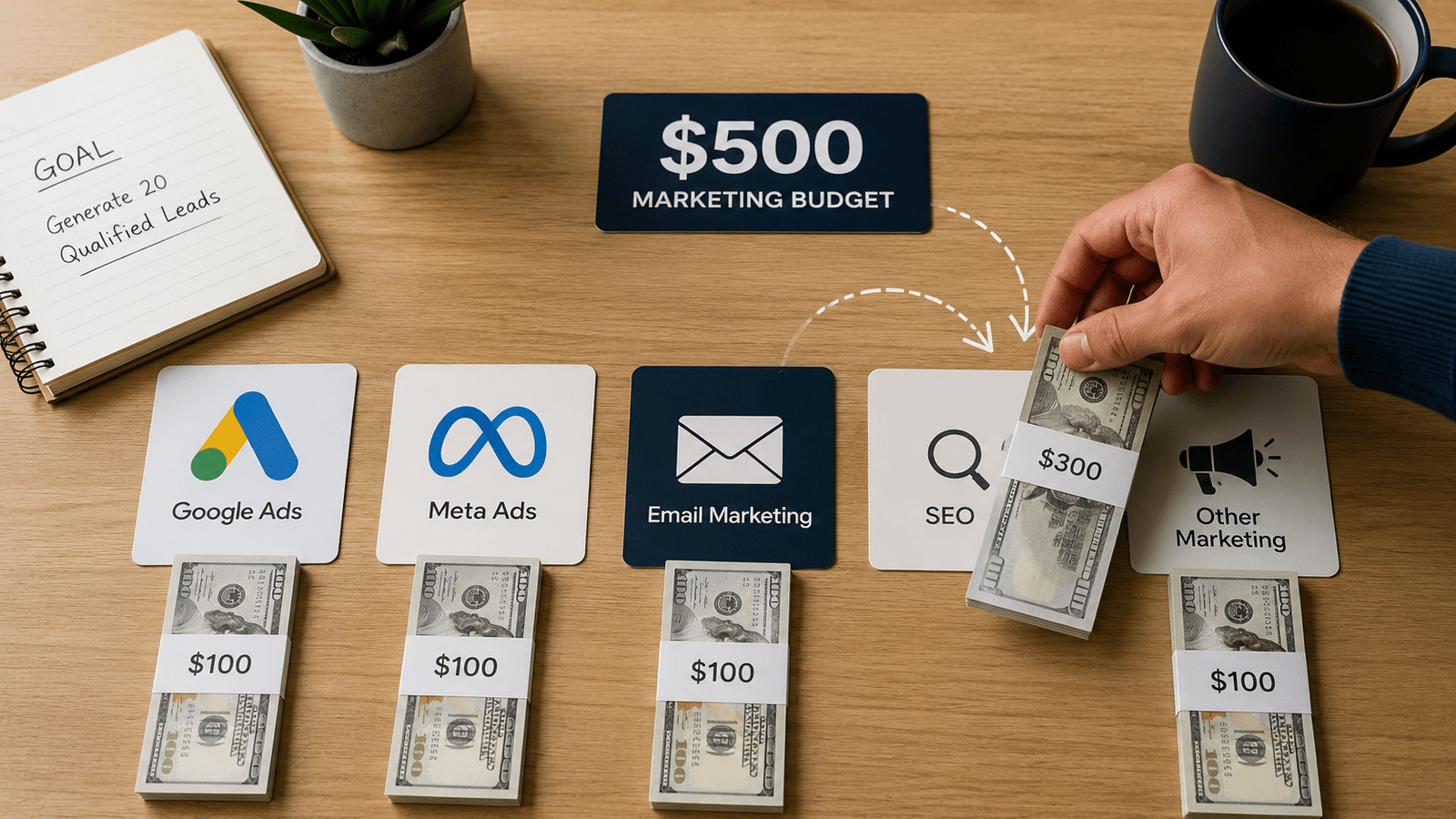
What Marketing Should You Do First With $500?
You have $500 for marketing. Where should it go? Not $100 into Google, $100 into Facebook, $100 into SEO and the rest scattered somewhere else. Pick one objective. Fix the destination. Choose one channel. Test it. Measure what actually turns into business.
Read More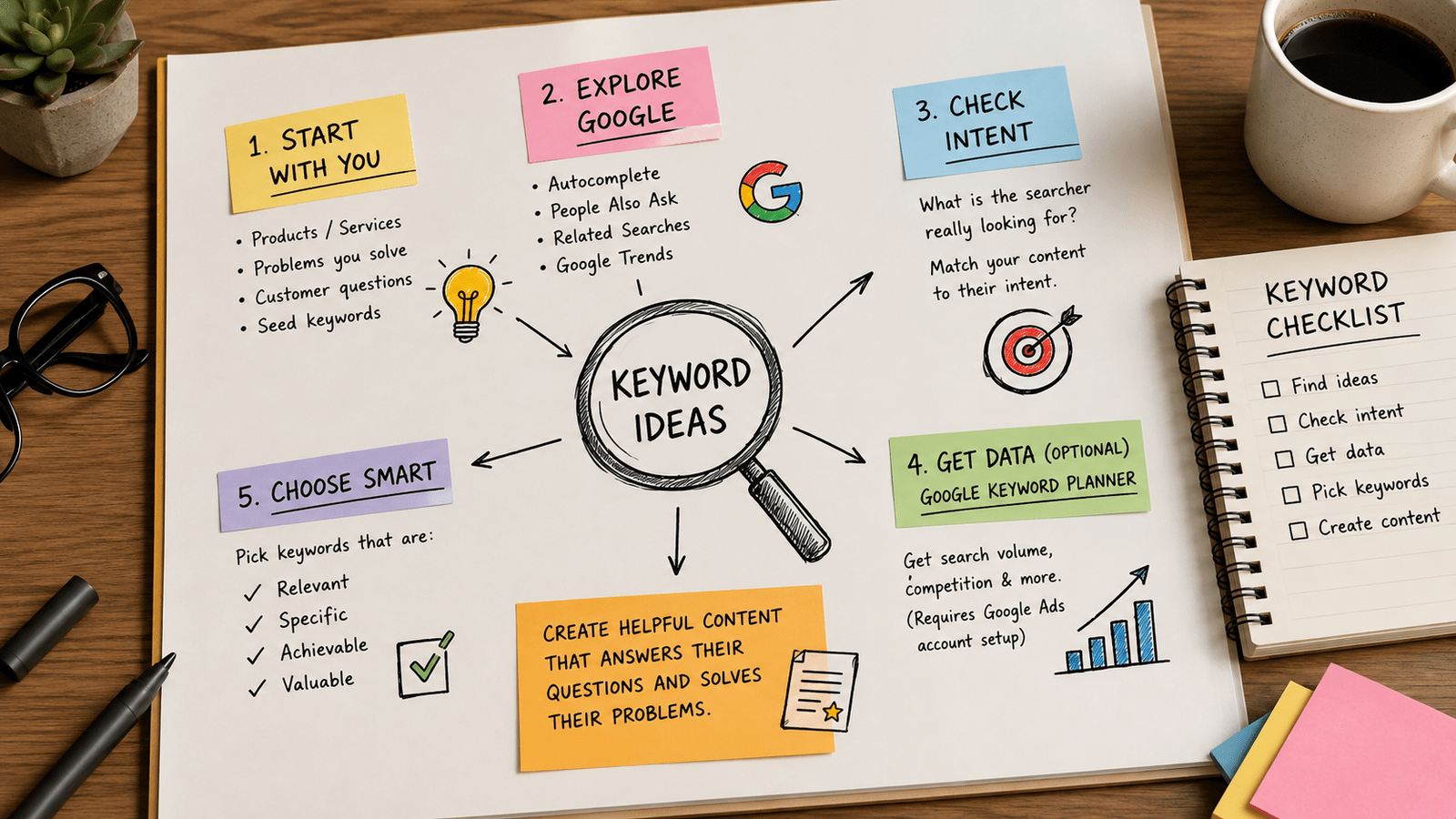
DIY Keyword Research for Small Businesses
You can start keyword research without buying an SEO tool. Begin with customer questions, Google autocomplete, People Also Ask and Related Searches. Then, when you want search-volume data, take your list into Google Keyword Planner. Good keyword research starts with understanding what people are actually looking for.
Read More
Your Customers Are Giving You Blog Ideas Already
Running out of blog ideas? Stop brainstorming and start listening. Your sales calls, customer emails, objections, reviews and support questions are already telling you what people want to know. Your next blog topic might already be sitting in your inbox.
Read More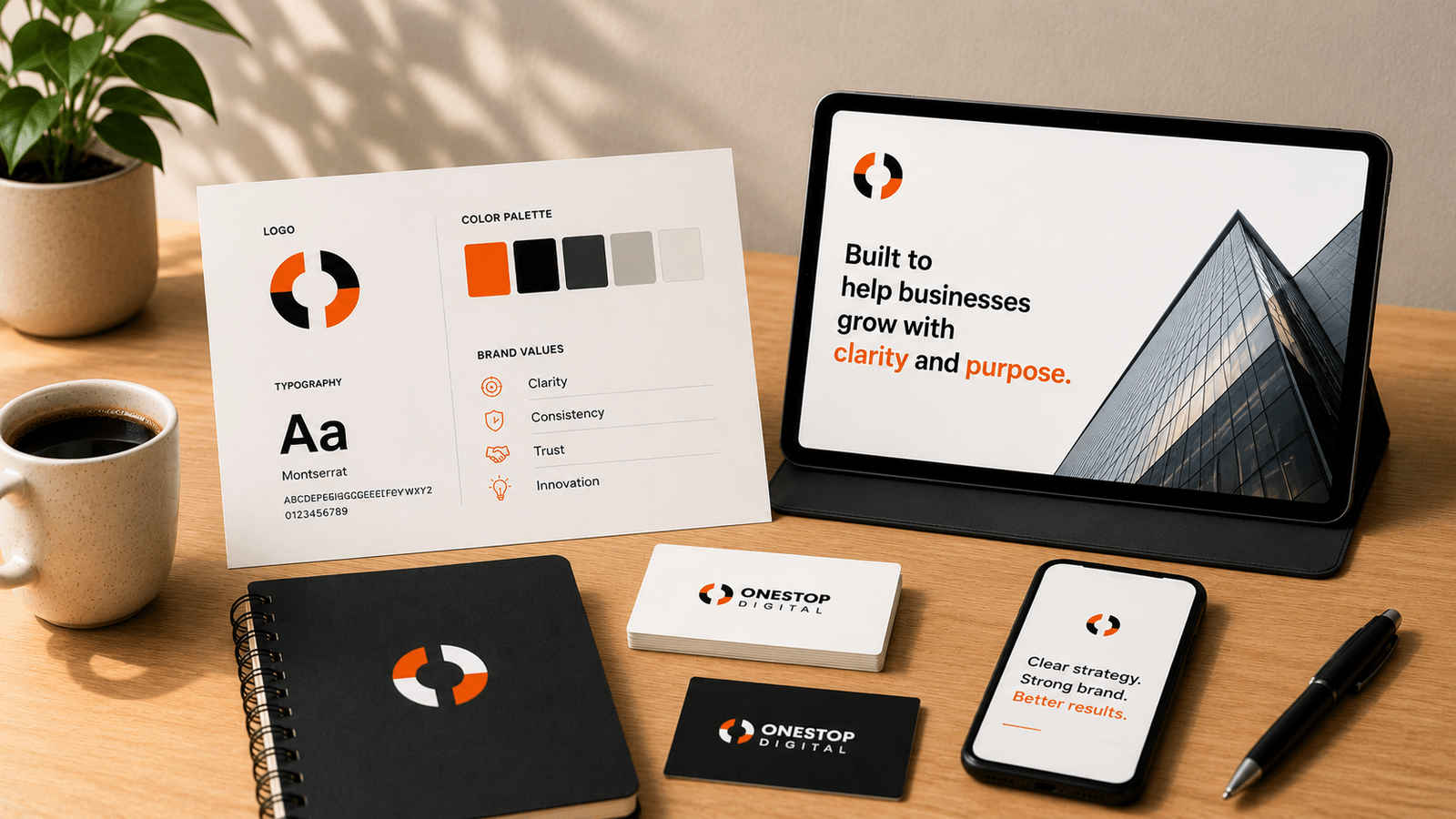
Your Logo Isn’t Your Brand. So What Actually Is?
Your logo isn’t your brand. It’s part of it. Your brand is also your messaging, visual consistency, personality, customer experience and reputation. A logo helps people recognize your business. Your brand gives them a reason to remember it.
Read More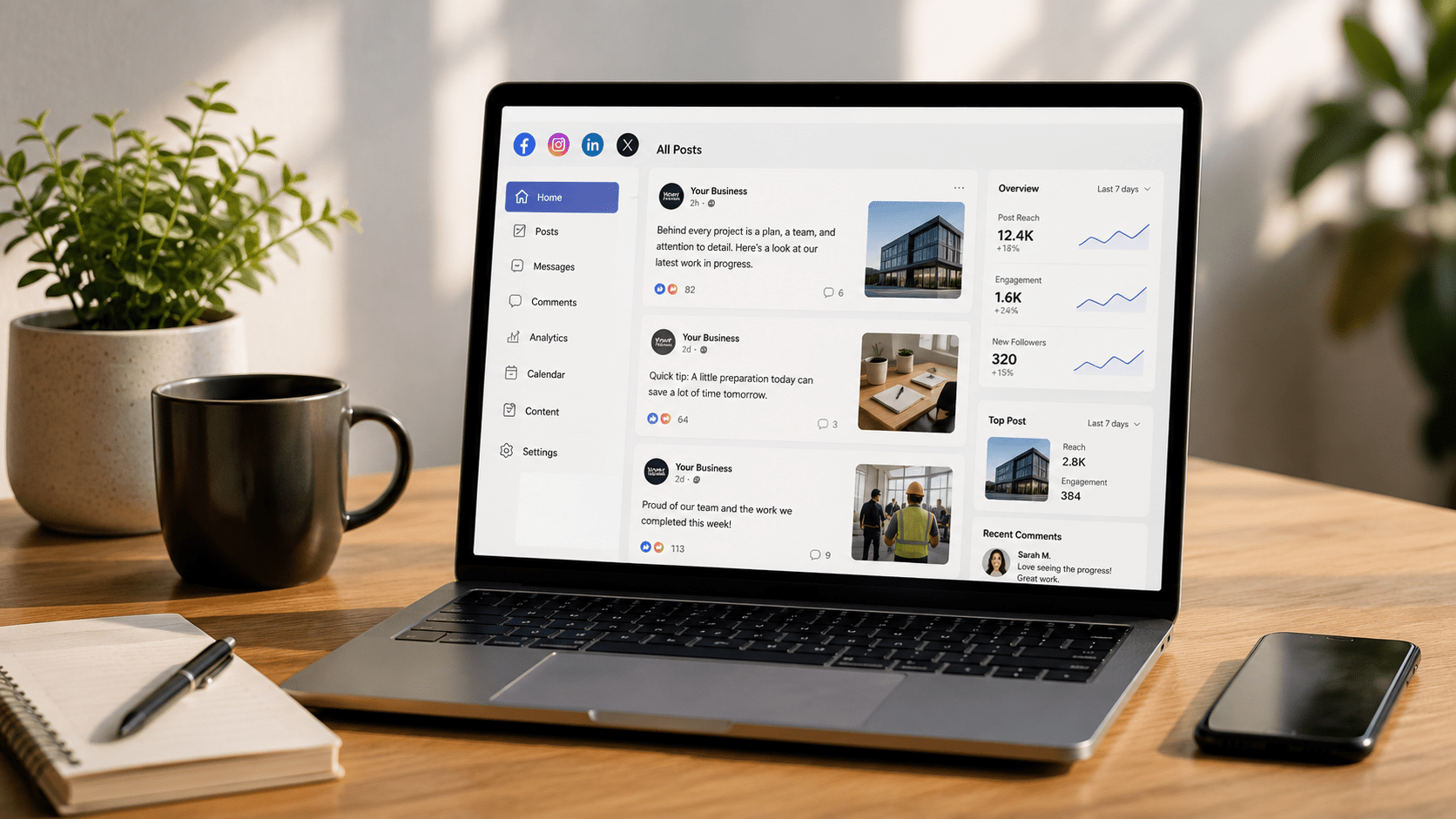
You Don’t Need to Post Every Day
You don’t need to post every day. You need to post with purpose. Two or three genuinely useful posts can do more for your business than seven rushed posts created simply to keep the calendar full. Consistency matters. Daily posting doesn’t have to.
Read More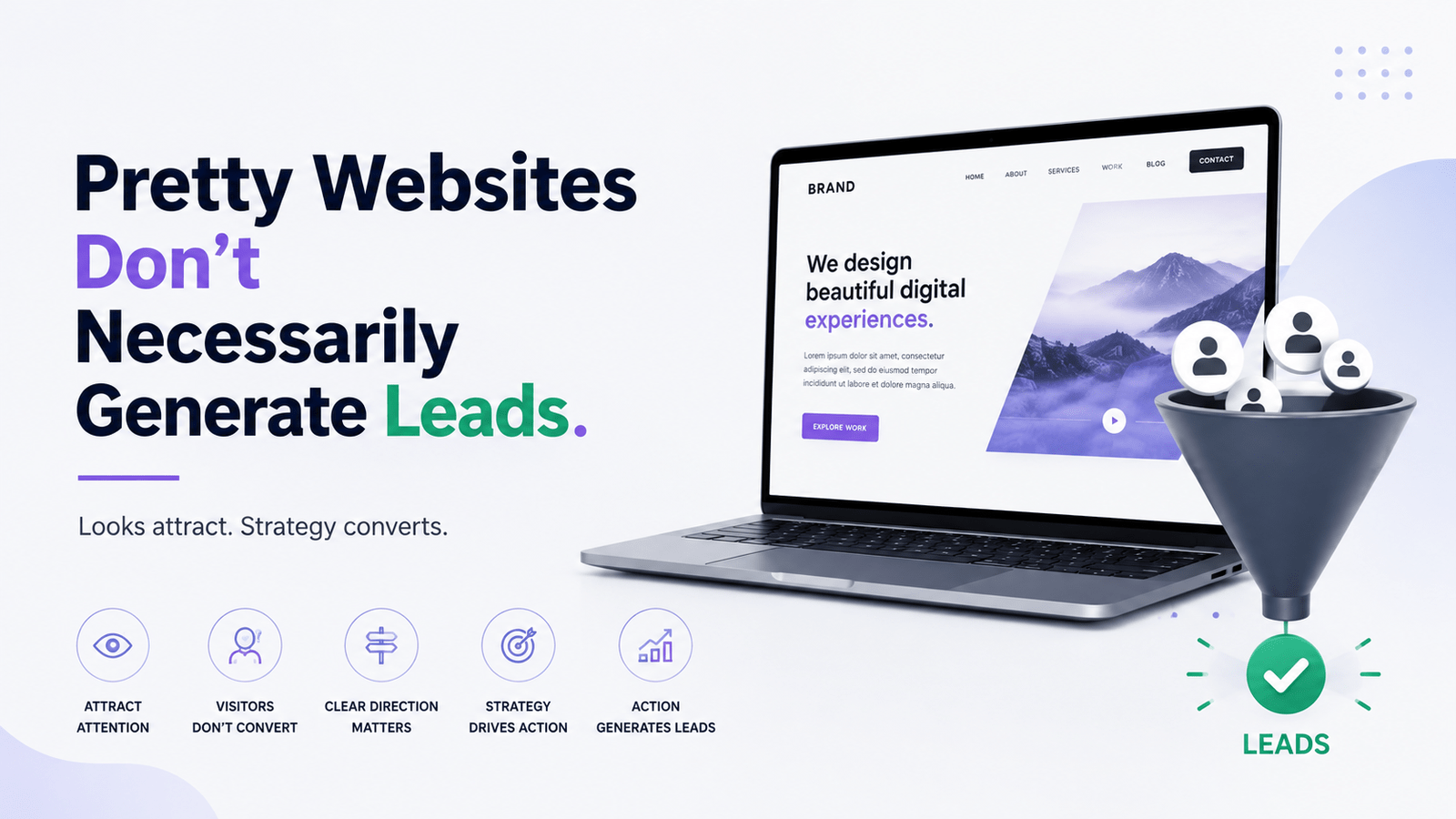
Pretty Websites Don’t Necessarily Generate Leads
Your website can look amazing and still fail at its most important job. A lead-generating website needs more than great design. It needs: → Clear messaging → A customer-focused experience → Obvious calls-to-action → Fast, mobile-friendly pages → Proper tracking Pretty gets attention. Strategy gets results.
Read MoreRecent Posts

Stop Selling in Every Social Media Post
13 Oct 2026