When someone says, “We need to work on our brand,” the conversation often starts with the logo.
New colours. New typeface. Maybe a cleaner icon.
Those things matter. But your logo is not your brand.
Your logo is simply one way people recognize your business. Your brand is what they eventually associate with it.
Think about everything a potential customer encounters before deciding whether to trust you.
Your visual identity
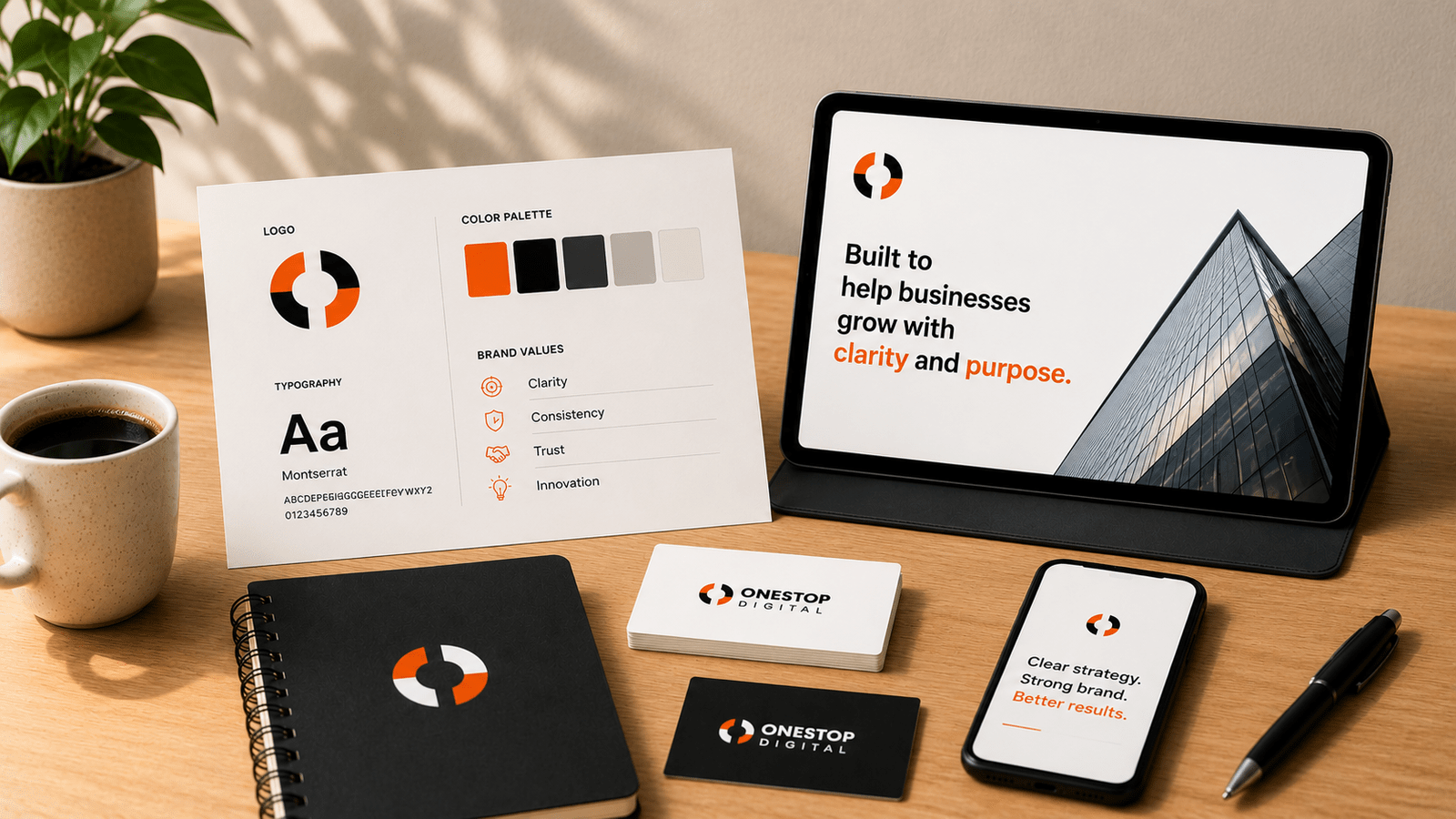
Your logo, colours, typography, photography and design style should feel connected. If your website looks professional but your proposals, social posts and sales materials look like they came from five different companies, that inconsistency affects how people perceive you.
Your message
Can someone quickly understand what your business does and why they should choose you?
A polished visual identity can’t compensate for vague messaging.
Your personality
Some businesses sound formal and authoritative. Others are conversational, energetic or playful.
There isn’t one correct approach. What matters is being recognizable and consistent.
Your customer experience
This is where branding moves beyond design.
How quickly do you respond to an inquiry? What does your proposal look like? Is buying from you easy? What happens after the sale?
Those experiences shape your brand just as much as your logo does.
Your reputation
Ultimately, your brand is also what other people say about you.
Reviews, referrals, customer experiences and word of mouth gradually create an expectation around your business.
That’s why simply redesigning a logo rarely fixes a branding problem.
It’s similar to what we discussed in Pretty Websites Don’t Necessarily Generate Leads. Looking professional matters, but good-looking design needs something stronger behind it.
A good logo gives people something to recognize.
A good brand gives them something to remember.